What’s in this Post
Sizing a Hike to Increase Enjoyment
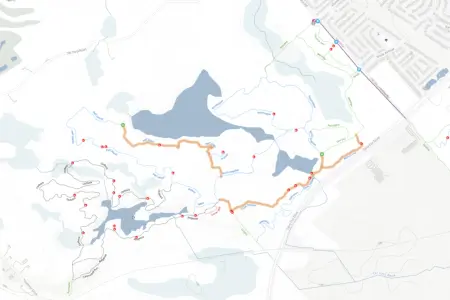 Embarking on a hike is not merely a physical activity; it’s an immersive experience that allows you to connect with nature, challenge yourself, and discover hidden wonders along the way. Whether you’re a seasoned trekker or a novice explorer, choosing the right trail is essential for ensuring a safe, enjoyable, and rewarding adventure. Here’s a guide to help sizing a hike and selecting the perfect trail for your next outdoor escapade.
First
Know your fitness level. Before selecting a trail, it’s crucial to assess your fitness level honestly. Consider factors such as your endurance, strength, and any pre-existing medical conditions. Trails are typically categorized into easy, moderate, and difficult levels based on distance, elevation gain, and terrain. Start with a trail that matches your fitness level and gradually challenge yourself as you gain experience and confidence.
Second
Determine your preferences. Consider what type of hiking experience you’re seeking. Do you prefer gentle strolls through lush forests, or are you eager to conquer steep mountain peaks with breathtaking views? Are you interested in wildlife spotting, historical landmarks, or serene lakeside vistas? Knowing your preferences will help narrow down your options and ensure a hike that aligns with your interests and goals.
Third
Assess trail conditions. Research the trail conditions, including terrain, elevation gain, weather forecast, and seasonal factors. Trails can vary significantly in difficulty and accessibility depending on factors such as elevation, terrain, and weather conditions. Be prepared for challenging terrain, unpredictable weather, and potential hazards such as loose rocks, slippery surfaces, or wildlife encounters. Always check trail reports and local regulations before heading out.
Fourth
Consider distance and duration. Evaluate the length and duration of the hike based on your fitness level, time constraints, and personal preferences. Shorter hikes are ideal for beginners or those with limited time, while longer hikes offer a more immersive experience and opportunities for exploration. Be realistic about your pace and energy levels, and plan accordingly to avoid overexertion or fatigue.
Fifth
Factor in safety and preparedness. Safety should always be a top priority when sizing up a hike. Equip yourself with essential gear such as proper footwear, clothing layers, navigation tools (e.g., map, compass, GPS), first aid kit, plenty of water, and high-energy snacks. Let someone know your hiking plans and estimated return time, and familiarize yourself with emergency procedures and evacuation routes. Stay aware of your surroundings, weather conditions, and signs of fatigue or dehydration, and know when to turn back if necessary.
Lastly
Embrace the journey. While it’s essential to plan and prepare for your hike, don’t forget to embrace the journey and savor the experience. Take time to appreciate the beauty of nature, listen to the sounds of the wilderness, and connect with your surroundings. Stay present in the moment, practice mindfulness, and allow yourself to be fully immersed in the sights, sounds, and sensations of the trail.
Conclusion
In conclusion, sizing up a hike involves careful consideration of your fitness level, preferences, trail conditions, safety measures, and the overall hiking experience. By assessing these factors thoughtfully and planning accordingly, you can choose the perfect trail for your next outdoor adventure and embark on a journey that will rejuvenate your body, mind, and spirit. So lace up your hiking boots, pack your essentials, and get ready to explore the great outdoors one step at a time.

Dave’s Newsletter
Discover the thrill of the great outdoors on my adventure website. Explore breathtaking hiking trails, conquer rugged terrain on your mountain bike, or capture nature’s beauty with your camera. All from your inbox. Adventure awaits!