What’s in this Post
Opening Up Your RV for the Season
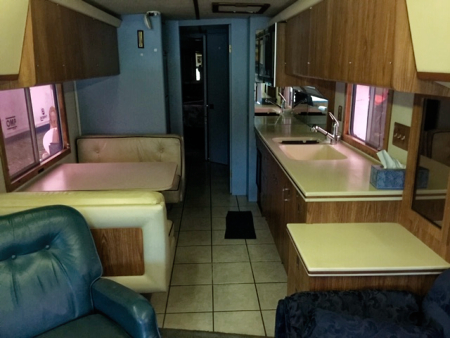 Opening up your RV for the season involves several steps to ensure the vehicle is in good working condition and ready for use. In my case, we’re talking about a class-A vehicle. So, it may be slightly different from yours. Here are the things I consider:
- Exterior Inspection and Preparation
- Tires and Wheels
- Battery and Electrical System
- Water System
- Propane System
- Engine and Generator
- Interior Preparation
- Final Checks
Exterior Inspection and Preparation
Check for any signs of damage, leaks, or wear and tear. Look at the roof, sides, windows, and doors. Wash the RV to remove any dirt, grime, or debris accumulated over the off-season. Inspect and reseal any areas that show cracking or deterioration to prevent leaks. My rig is 40 feet long, so it’s not as big as some. But it still can be a pain.
Tires and Wheels
Check the tire pressure and inflate to the manufacturer’s recommended levels. Look for any signs of dry rot, cracks, or uneven wear. Also, ensure the lug nuts are properly torqued to the correct specifications.
Battery and Electrical System
Check the battery for corrosion or damage. Clean the terminals and ensure they are tightly connected. If the battery was disconnected or stored separately, reconnect it and charge it fully. I replaced the batteries last season and stored them at home over the winter, so this wasn’t that big of an issue. Still, check lights, appliances, and outlets to ensure they function correctly.
Water System
Reconnect the water lines and inspect them for any signs of damage or leaks. Fill the fresh water tank with a sanitizing solution (typically a mixture of bleach and water) and run it through the system. Let it sit, then flush with clean water until the bleach smell is gone. Inspect the water heater for any signs of leaks or damage. Fill and test the heater to ensure it operates correctly.
Propane System
Check the propane tanks for damage or rust. Ensure the connections are tight. Then, try the stove, oven, and any other propane-powered appliances to ensure they function properly.
Engine and Generator
Check fluid levels (oil, coolant, transmission fluid, etc.) and top off or replace as necessary. Inspect belts and hoses for any signs of wear or damage. Check the oil level and inspect for any signs of damage or leaks. Run the generator to ensure it operates correctly.
Interior Preparation
Thoroughly clean all surfaces, including floors, counters, and upholstery. Check for any signs of pests. Test smoke detectors, carbon monoxide detectors, and fire extinguishers to ensure they are in working order. Replace any items removed for the off-season, such as bedding, kitchen supplies, and toiletries.
Final Checks
If your RV has slide-outs, inspect them for any signs of damage or leaks. Mine doesn’t as it is older (1988). Test them to ensure they extend and retract smoothly. Inspect the awning for any signs of damage or wear. Extend and retract to ensure it operates correctly.
Conclusion
Take the RV for a short drive to ensure everything is functioning properly, including the brakes, steering, and suspension. By following these steps, you can ensure that opening up your RV for the season is a safe and enjoyable experience.

Dave’s Newsletter
Discover the thrill of the great outdoors on my adventure website. Explore breathtaking hiking trails, conquer rugged terrain on your mountain bike, or capture nature’s beauty with your camera. All from your inbox. Adventure awaits!